

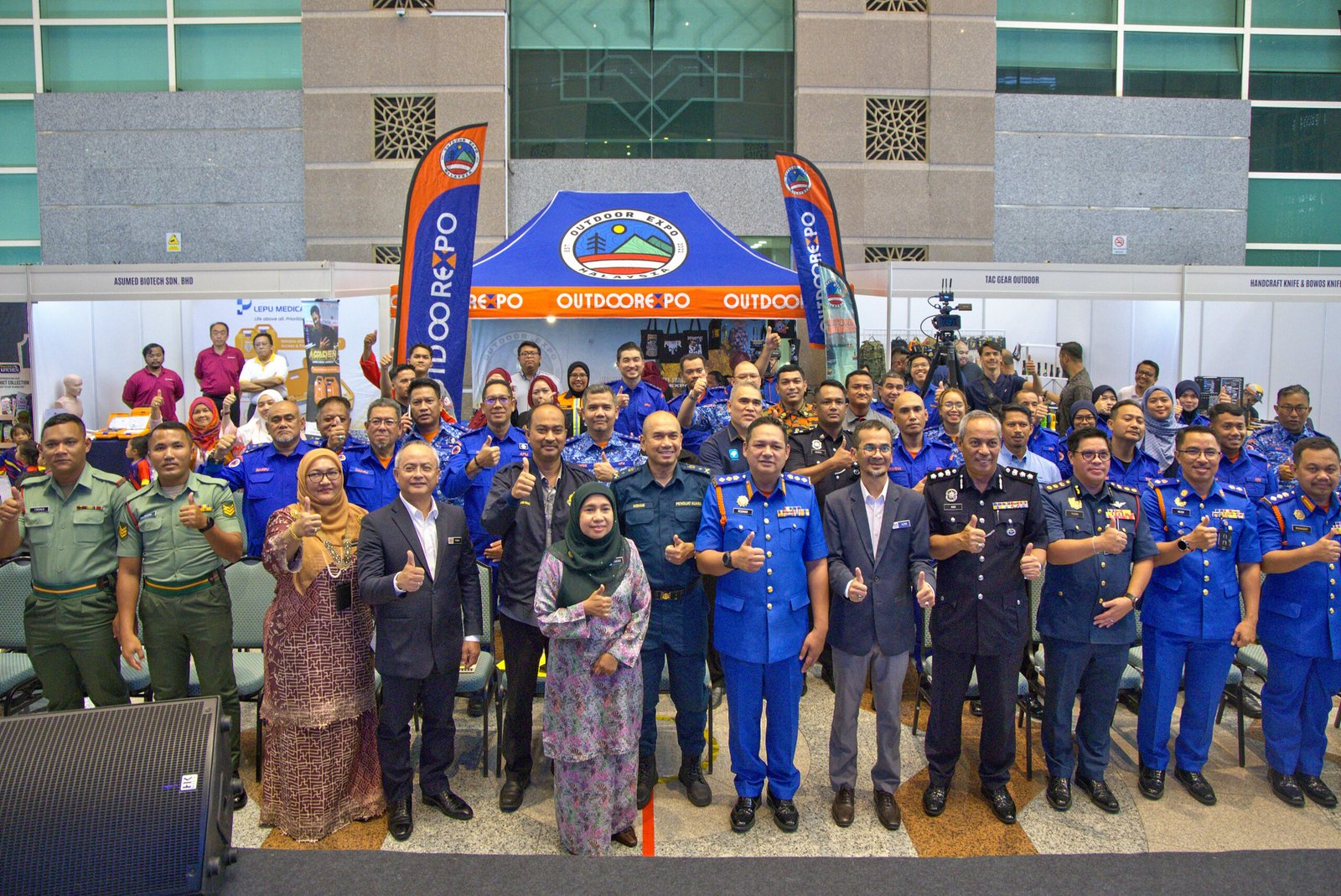
Reporting from Menara Seri Wilayah, Putrajaya
When dark clouds roll across Malaysia’s skylines and rural waterways, the issue is never just the weather—it’s how ready we are to protect one another when nature tests our limits.
This past Wednesday morning, the Atrium at Menara Seri Wilayah in Putrajaya was filled with an unmistakable energy. Emergency responders, policymakers, community leaders, and civil society advocates gathered for the official launch of Disaster Risk Reduction Day, held in conjunction with National Preparedness Month 2026 (BKN 2026).
Officiating the event was Datuk Muhammad Azmi bin Mohd Zain, Director-General of the Federal Territories Department (JWP) and Chairman of the Federal Territories State Disaster Management Committee (JPBN). Delivering his opening address, Datuk Muhammad Azmi set a tone that was both pragmatic and deeply human.
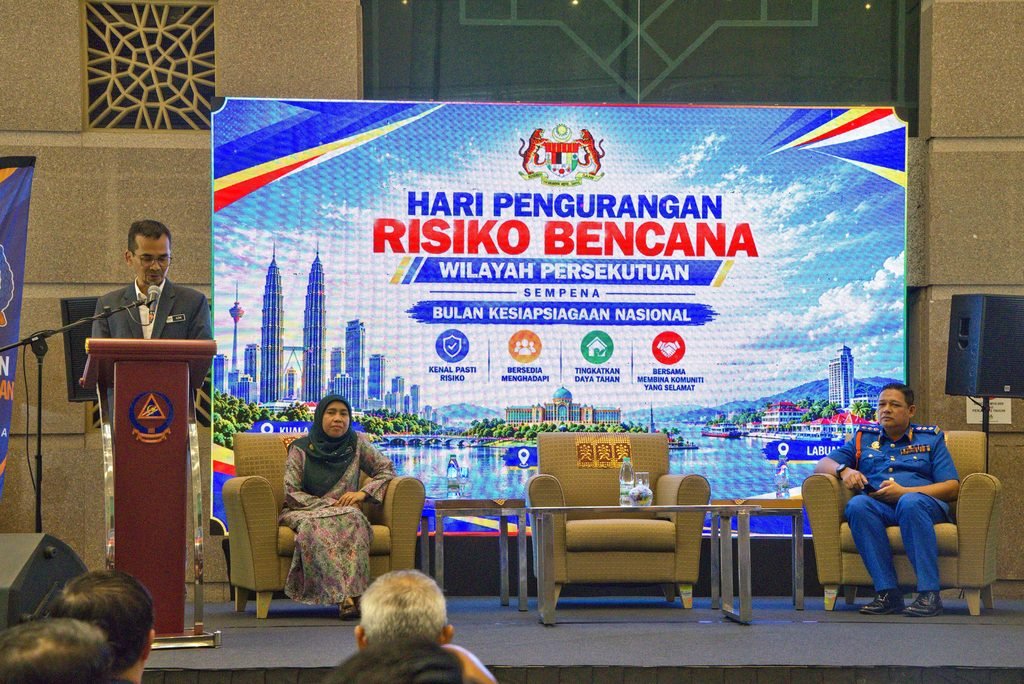
“Masyarakat Bersiap, Negara Selamat”
At the heart of Datuk Muhammad Azmi’s address was a simple, powerful message: disaster resilience cannot be treated as a government duty alone. It has to be a shared civic culture.
“Disaster management begins in our homes, our schools, and our immediate neighborhoods,” Datuk Muhammad Azmi stated during his address, rallying the crowd under the national theme, “Masyarakat Bersiap, Negara Selamat” (A Prepared Society, A Safe Nation).
He stressed that while early warning systems and infrastructure investments are critical, a well-informed and proactive community remains our most reliable first line of defense. In an era of unpredictable climate shifts, shifting our focus from reactive emergency response to proactive risk prevention is essential.

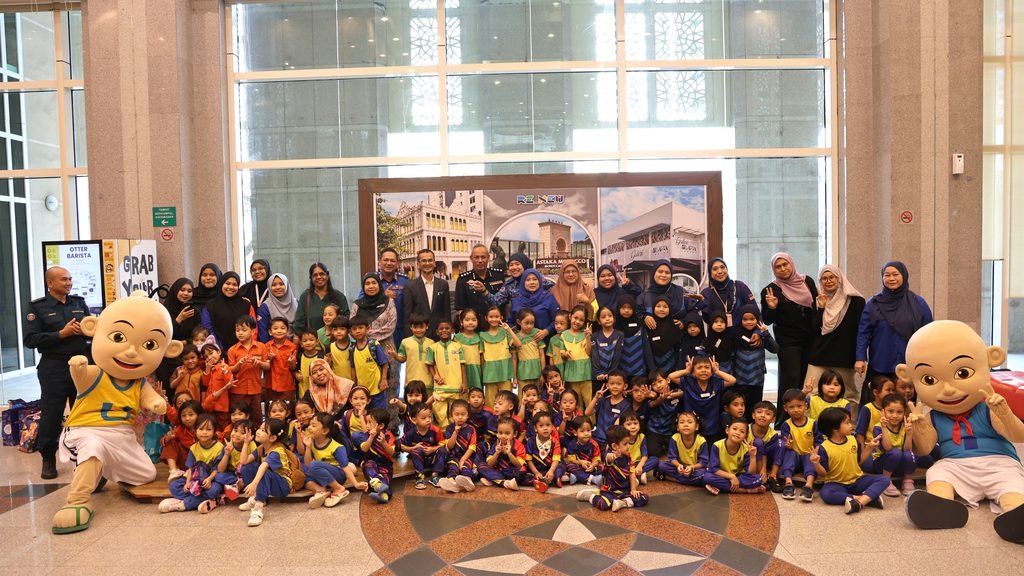
On the Ground: Key Takeaways from the Q&A Session
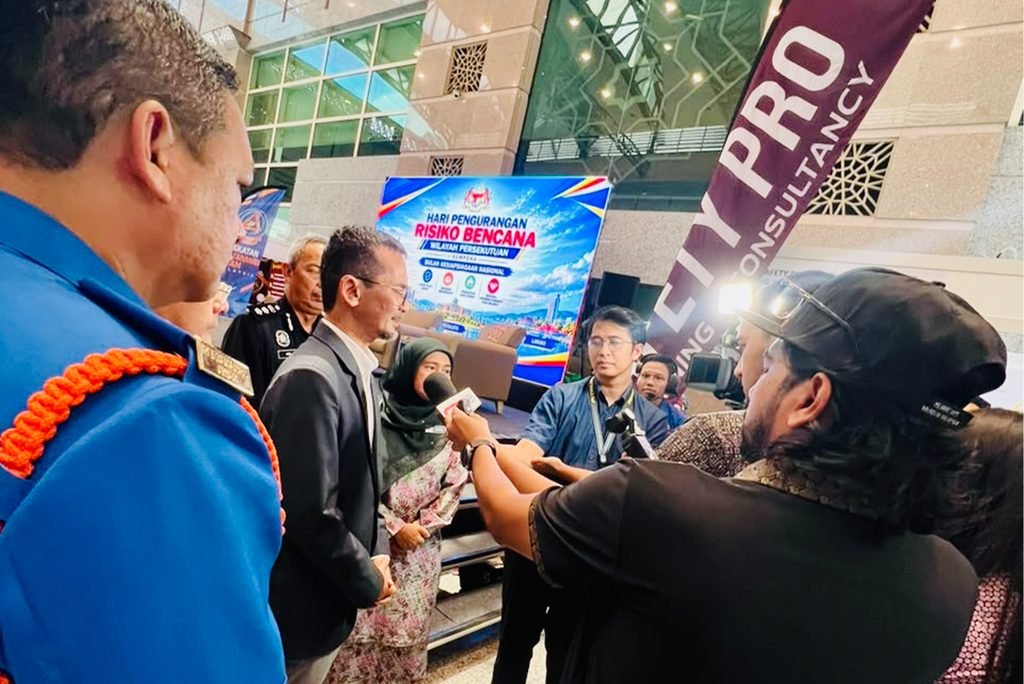
Following his speech, Datuk Muhammad Azmi engaged in a direct Q&A session, addressing pressing questions on public readiness, inter-agency coordination, and long-term disaster strategy:
- Bridging Policy and Grassroots Action: Asked how high-level policies reach everyday citizens, he highlighted the necessity of continuous ground-level training. Equipping local neighborhood associations and community leaders with basic disaster response skills ensures that early warnings translate into immediate, organized safety measures.
- The Power of Cross-Sector Synergy: Responding to queries on the role of civil society, Datuk Muhammad Azmi emphasized that NGOs and private partners bring unmatched speed, flexibility, and local trust to relief efforts. The exhibition hall—where public, private, and non-profit stands stood side-by-side—demonstrated the power of this unified network in real time.
- Investing in Long-Term Safety: On maintaining resilience beyond a single awareness month, he noted that disaster preparedness is a continuous investment in future generations. Combining smart technology, real-time data sharing, and public education embeds safety into everyday culture.
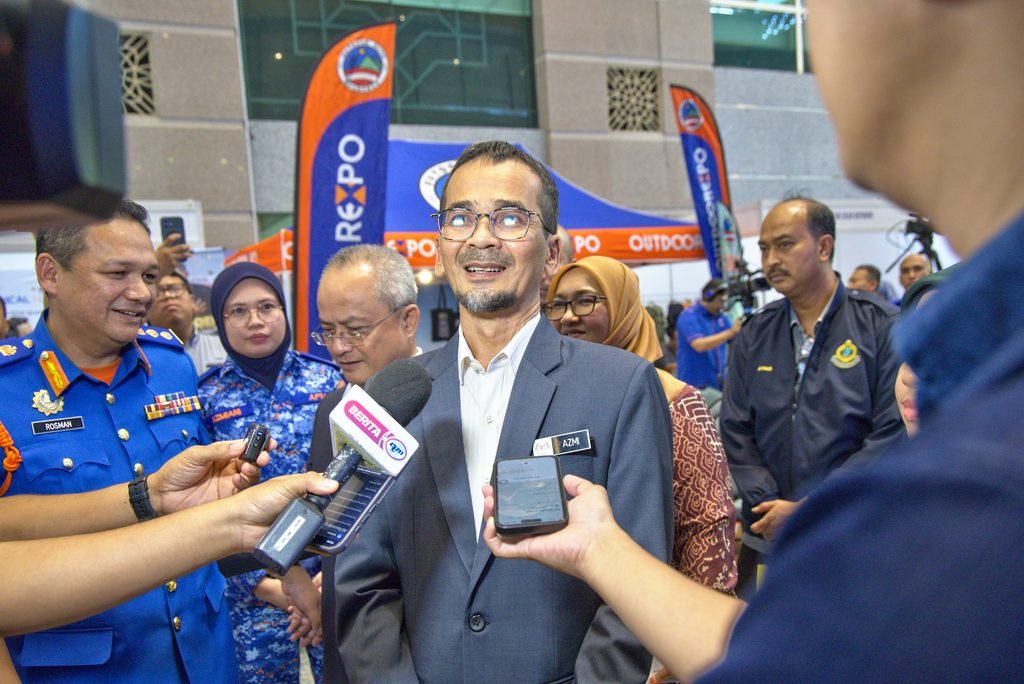
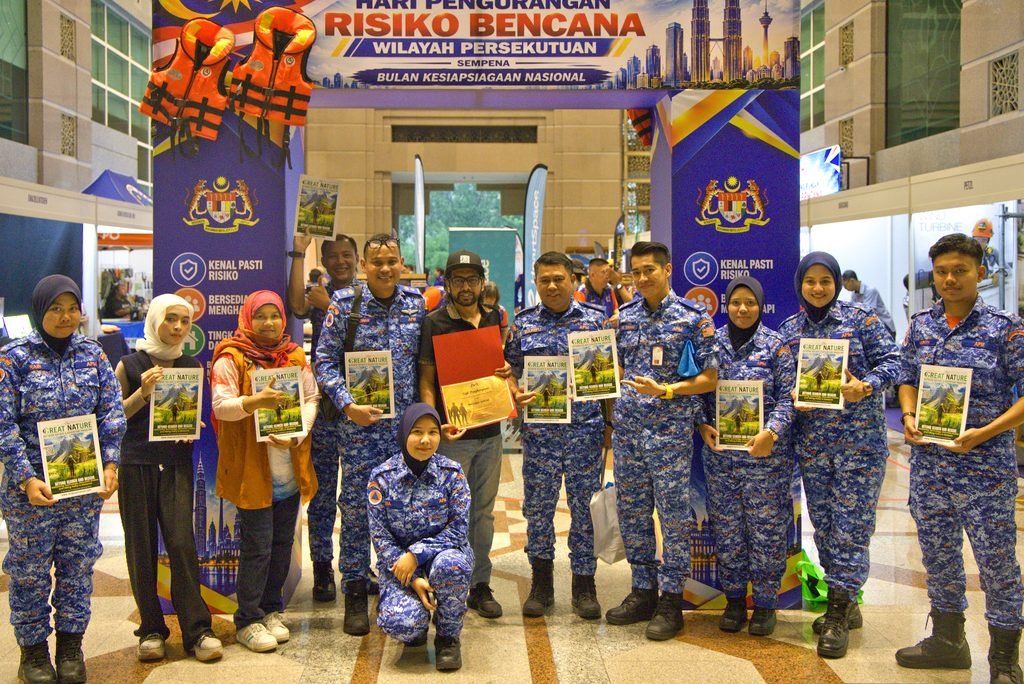
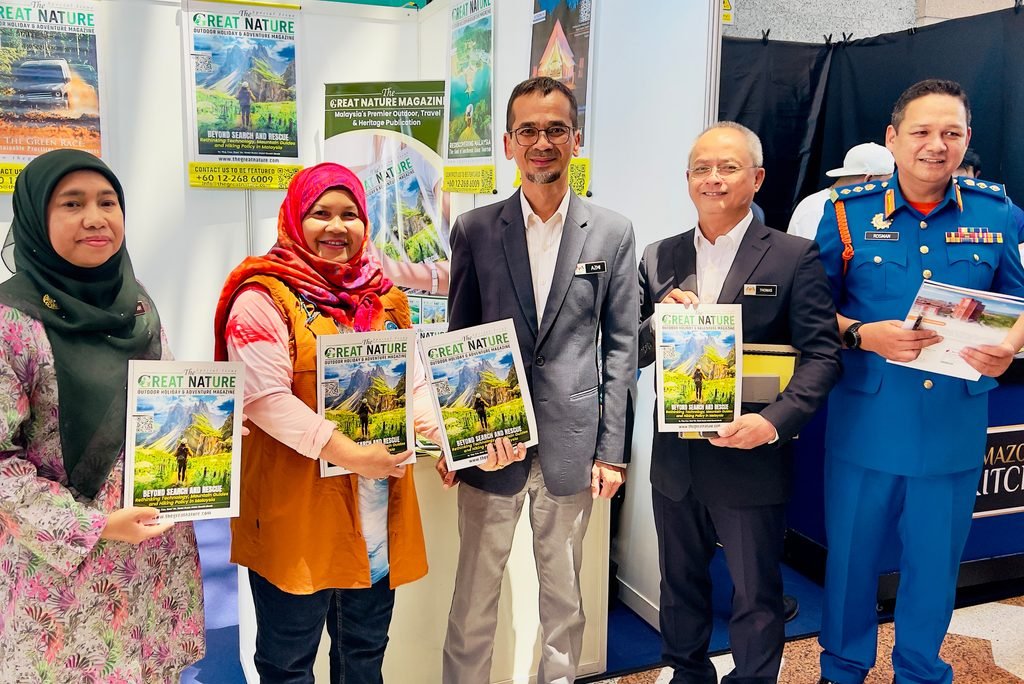
A Proud Moment for The Great Nature
During the ceremony, the Secretariat of the Federal Territories State Disaster Management Committee (JPBN) recognized organizations actively advancing public awareness and environmental safety.
We are deeply honored that The Great Nature was awarded a Certificate of Appreciation (Sijil Penghargaan), presented and signed by Datuk Muhammad Azmi. For our team, this recognition reinforces our ongoing commitment to environmental journalism, community awareness, and supporting a safer, more resilient Malaysia.
Looking Ahead As attendees explored the interactive displays and collaborative showcases throughout the afternoon, the message of the day resonated clearly: Bersama Mencegah, Bersedia Menghadapi (Together Preventing, Ready to Face). Disasters may be unpredictable, but with clear leadership, strong multi-sector partnerships, and an active public, our national resilience is stronger than ever.

